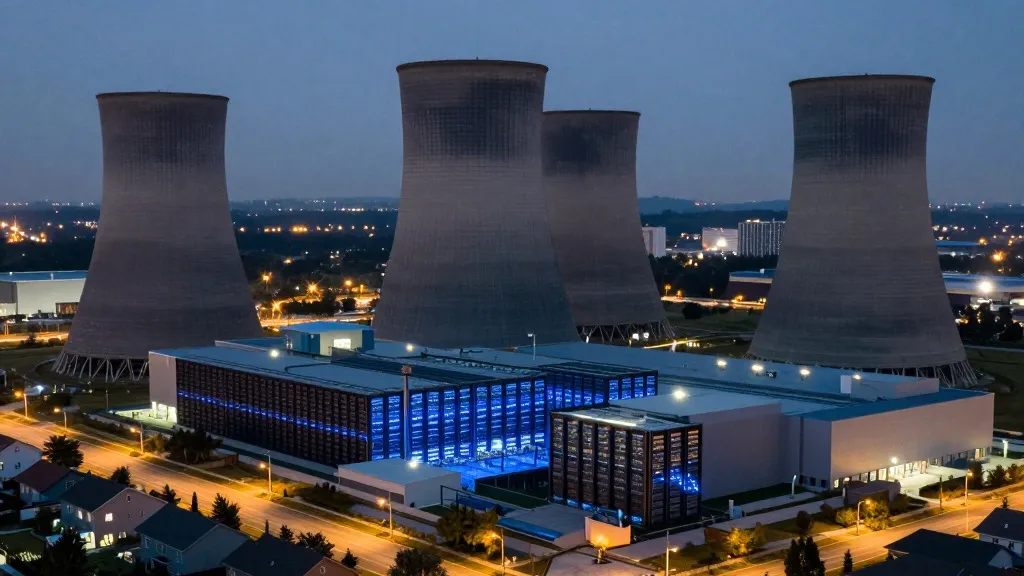
Northern Virginia: Amazon Drops Four-Data-Center Plan After Local Pushback
Amazon has agreed to convert a 122-acre Loudoun County site into mixed-use housing and public spaces, abandoning its original proposal to build four new AI-focused data centers.
By Marcus Johnson ·
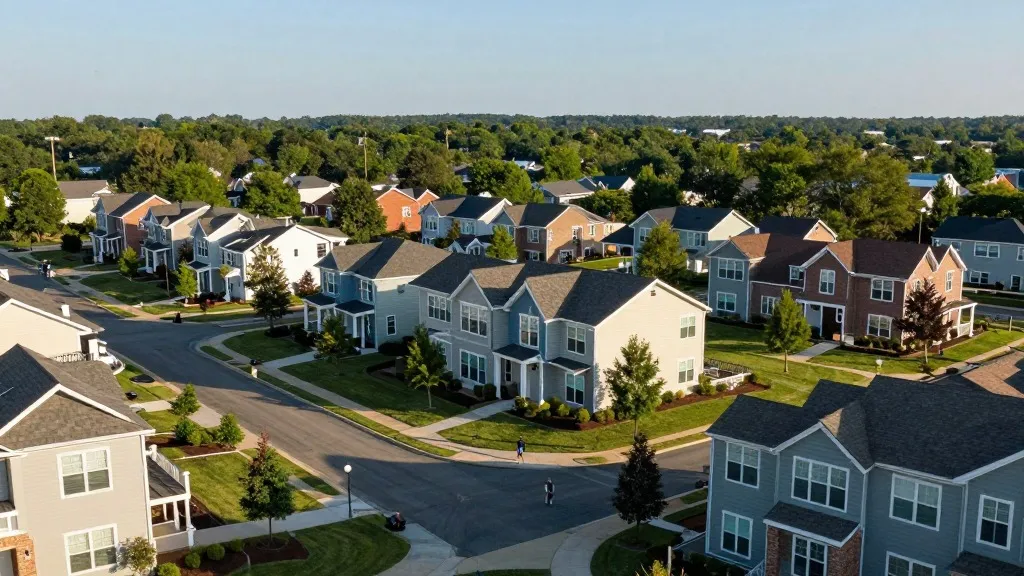
Amazon has officially withdrawn its plan to construct four new data centers on a former university campus in Loudoun County, Virginia. The tech giant will instead repurpose the majority of the 122-acre property for mixed-use and residential development. This decision marks a significant shift in the company's infrastructure strategy in the region, following intense pressure from local residents and county officials who opposed the project.
The change in plans includes specific allocations for the land's future use. Amazon will donate 25 acres to Loudoun County, which intends to utilize the space for a community arts center and a new recreational facility. Additionally, the company has committed to contributing $5 million to the county’s housing fund. These moves are designed to address community concerns while ensuring the land remains developed in a manner that benefits local residents.
Loudoun County, located just outside of Washington, D.C., is often referred to as "Data Center Alley" due to its status as the location with the highest concentration of data centers in the world. Despite this, the local community has grown increasingly wary of further expansion. Residents have voiced strong objections to the noise generated by these facilities and the substantial amount of electricity required to keep them running. These concerns have led to a noticeable change in the county's approach to approving new data center projects.
Amazon initially submitted its proposal for the new facilities in July of this year. The path to the current agreement was not immediate. In September, Phyllis J. Randall, the chair of the Loudoun County Board of Supervisors, met with Amazon representatives. During these discussions, it was suggested to the company that an alternative use for the land might be more suitable than the proposed data center complex. This dialogue eventually led to the current settlement.
Josh Weissman, Amazon’s vice president for data center development, explained the company's reasoning in a statement. He noted that Amazon had moved quickly to purchase the former George Washington University campus when the opportunity first arose. However, the company took the county's specific concerns about the site's development potential into careful consideration. Weissman stated that while Amazon viewed the legal development potential of the property differently than the county did, they concluded that a shared vision was the best outcome for all parties.
Weissman emphasized that the company preferred to come together on a common goal rather than engage in costly litigation. This approach allowed both sides to avoid a prolonged legal battle over the land's future. The agreement reflects a broader trend in the industry where major tech companies are navigating increasingly complex relationships with local communities that host their massive infrastructure.
The demand for new data centers has surged in recent years, driven largely by the growing use of cloud-based services and the rapid expansion of artificial intelligence applications. This boom has created a need for larger and more numerous facilities. However, this increased demand has also sparked opposition from local communities who are concerned about the environmental and economic impacts, such as spikes in electricity prices. In response, officials at various levels have begun taking steps to manage these challenges.
Just days before this news emerged, President Donald Trump called for data center builders and AI hyperscalers to pay local communities a dividend to help offset energy-related price increases. The President also stated in a social media post that data centers should be required to generate their own electricity and provide or sell excess energy back to the local grid. These proposals highlight the growing tension between the need for technological infrastructure and the local resources required to support it.
In Loudoun County, officials are framing the agreement as a success of negotiation. Randall stated that by choosing dialogue over reflexive disagreement, the county and Amazon created a valuable opportunity for the region. She highlighted that the new agreement provides spaces for residents to gather, create, and play. Most importantly, she noted that the project will provide more attainable homes for working families, addressing a key local housing need.
This resolution serves as a case study in how local governments can negotiate with major tech companies. While the county secures housing and public amenities, Amazon retains ownership of a prime piece of real estate. The outcome demonstrates that the era of unchecked data center expansion in Northern Virginia may be coming to an end, replaced by a more collaborative model of development that balances technological growth with community needs.
Source: Tom's Hardware